
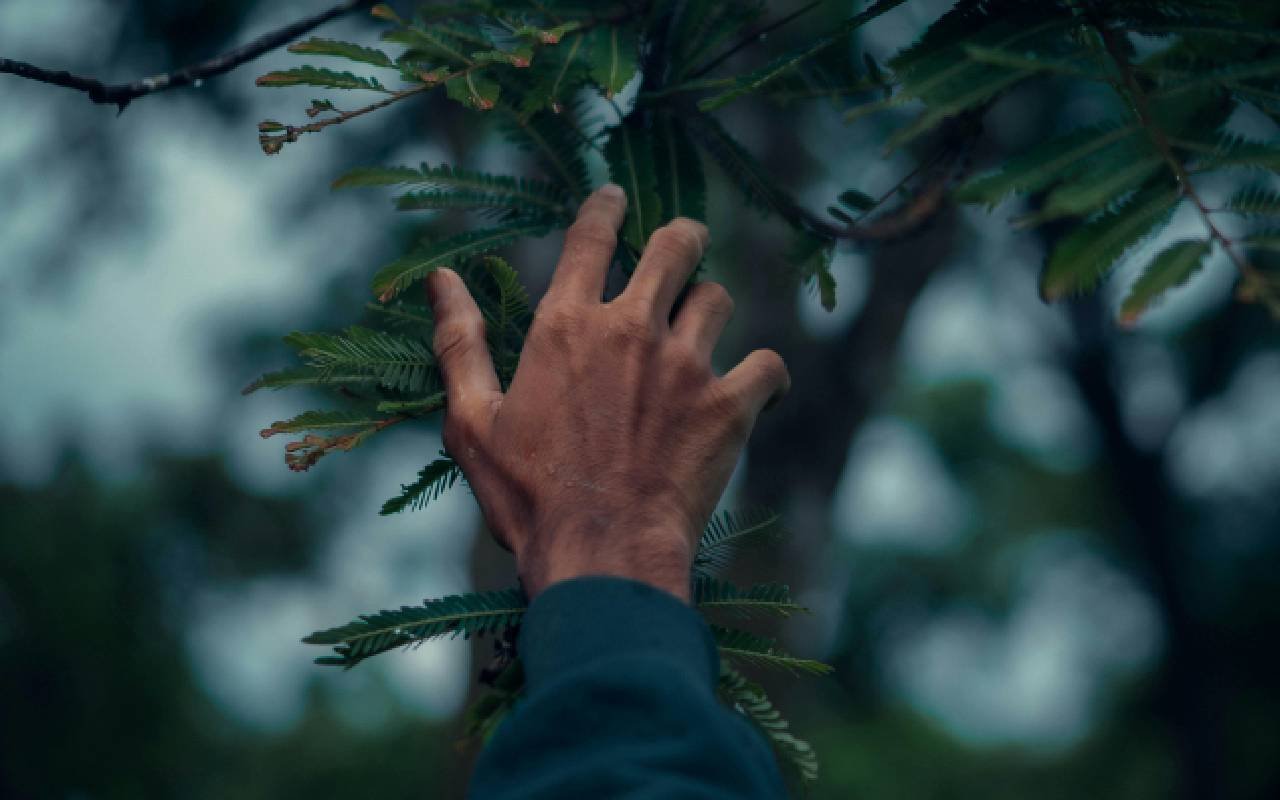

Nature has a broad definition and contact with it can be easier than we expect; Through a window to the sky at work, a vase of flowers in your kitchen, the chirping of frogs on the road, the breeze and the fragrance of spring plants, from exploring trees, plains, water sources and climbing mountains.
Nature can be defined as all the environment around us that is not man-made, and it also includes the natural environments designed by man that exist where we live.
Whether the area of contact with nature is small or large, the duration of time spent there is short or long, it is important to try to actively establish and maintain a relationship with nature, but why? Research tells us that exposure to nature is associated with better health regardless of age, gender, education, socioeconomic status and chronic illness.
Biophilia theory states that humans have an intrinsic and fundamental desire to form relationships with nature and other living things. There is a biological and genetic foundation in us that subconsciously draws us to nature and makes us return to it in today's world.
What are the effects? Spending time in nature reduces the body's cortisol secretion, slows the heart rate, boosts immunity, improves mental health, improves sleep quality, lowers blood pressure and thus reduces the risk of heart disease, brain disease and diabetes. It also helps with mental fatigue and attention deficit hyperactivity disorder in cancer patients undergoing chemotherapy, and reduces the risk of developing Alzheimer’s disease.
Proximity to green space can encourage physical activity by providing space for walking, running, cycling and other activities in children and adults. A hospital study found that patients in a room with a natural view from the window had a faster postoperative recovery process, needed fewer painkillers and had a shorter hospital stay.
While observation is the most common way to study nature, we can also use our other senses; Watching the clouds move, touching the bark of a tree, smelling a flower, feeling the dirt in our hands when we plant a tree in our garden. Activities such as social gatherings, increased movement and sports can be combined to enrich the experience in other aspects as well.
With all these benefits that nature gives us, we need to change our focus from just choosing a place to visit to how we can access the beauty of nature from the closest and most available daily resources.